
Sense of place
Arts Mansion, Bristol, April 2025
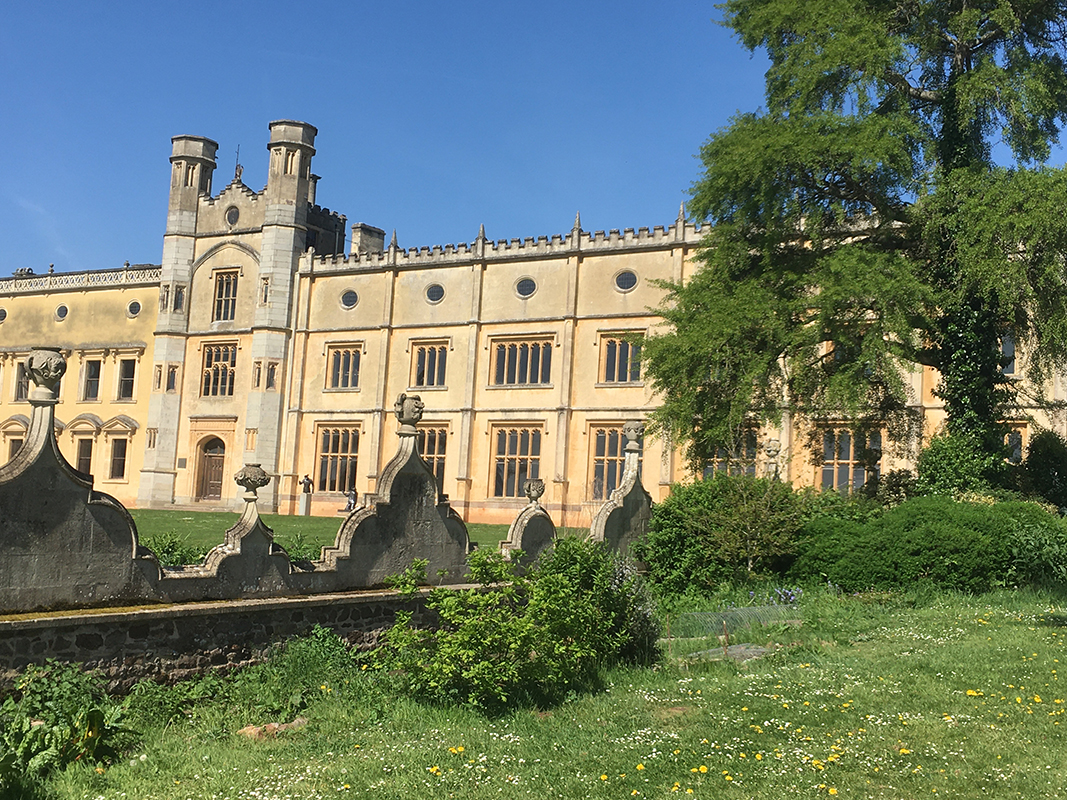
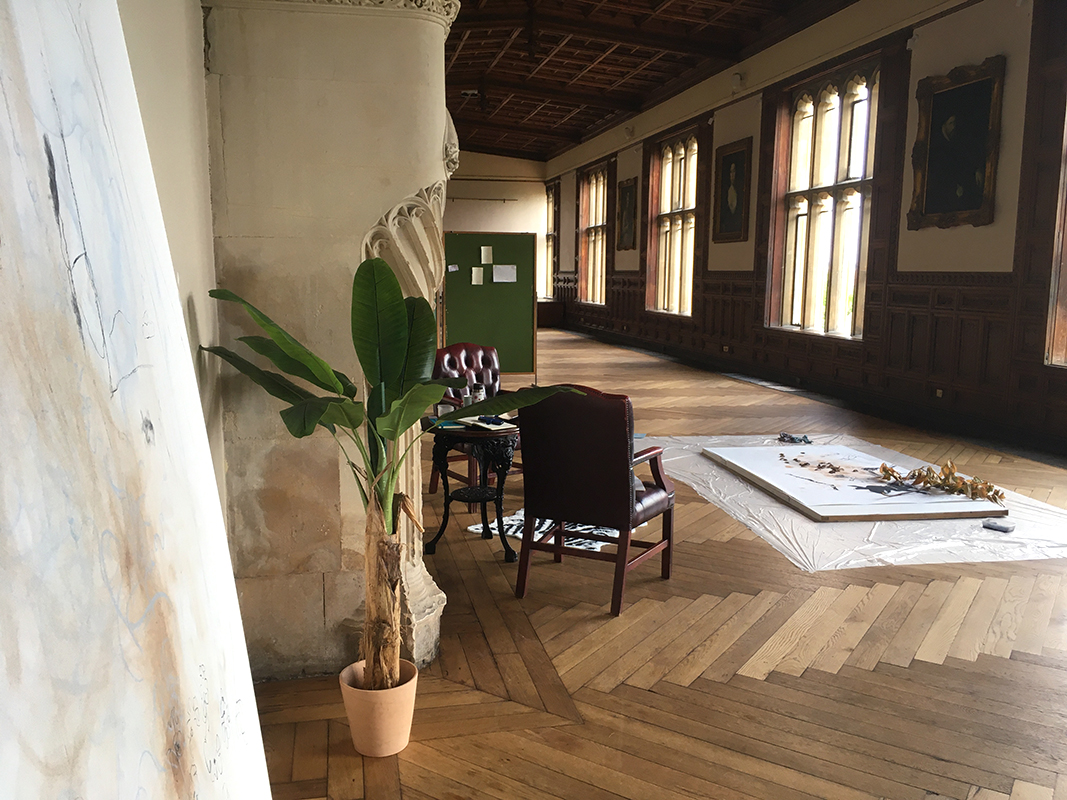
In April, ArtSpaceLifeSpace offered me a three-day residency at Arts Mansion, Ashton Court, to research and develop my practice.
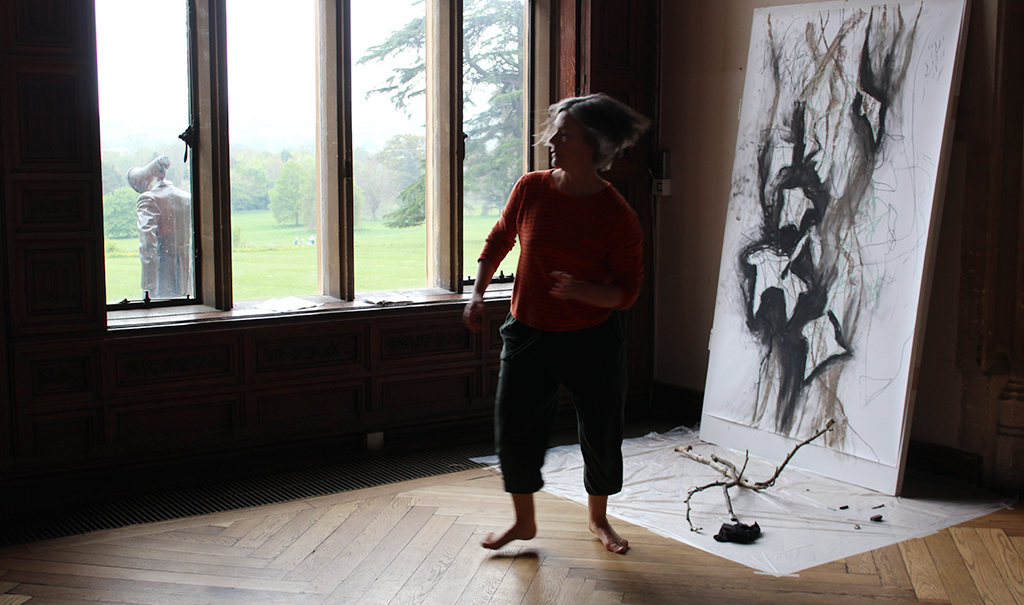
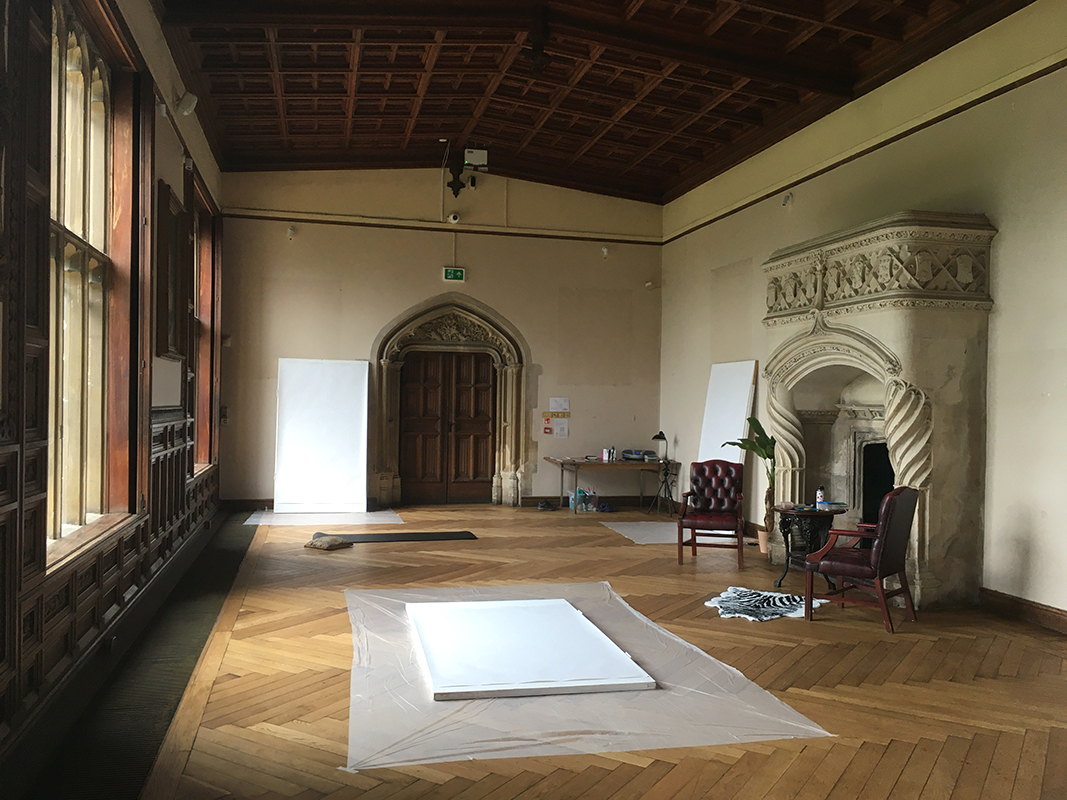
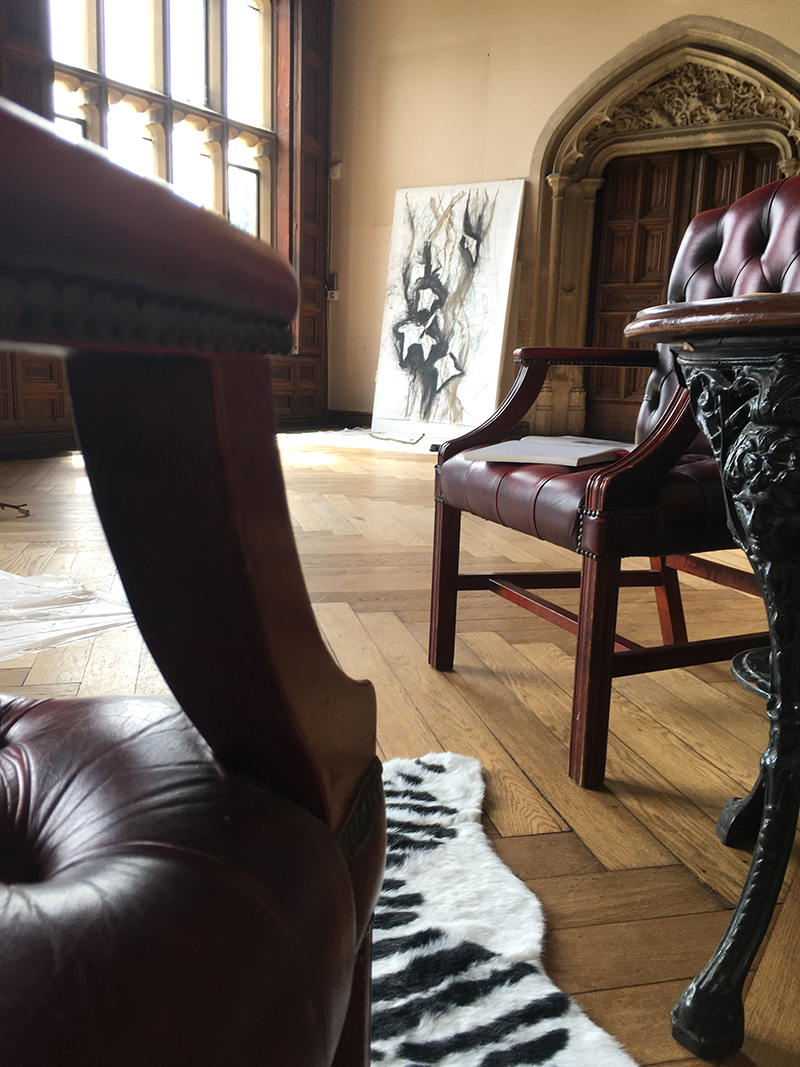
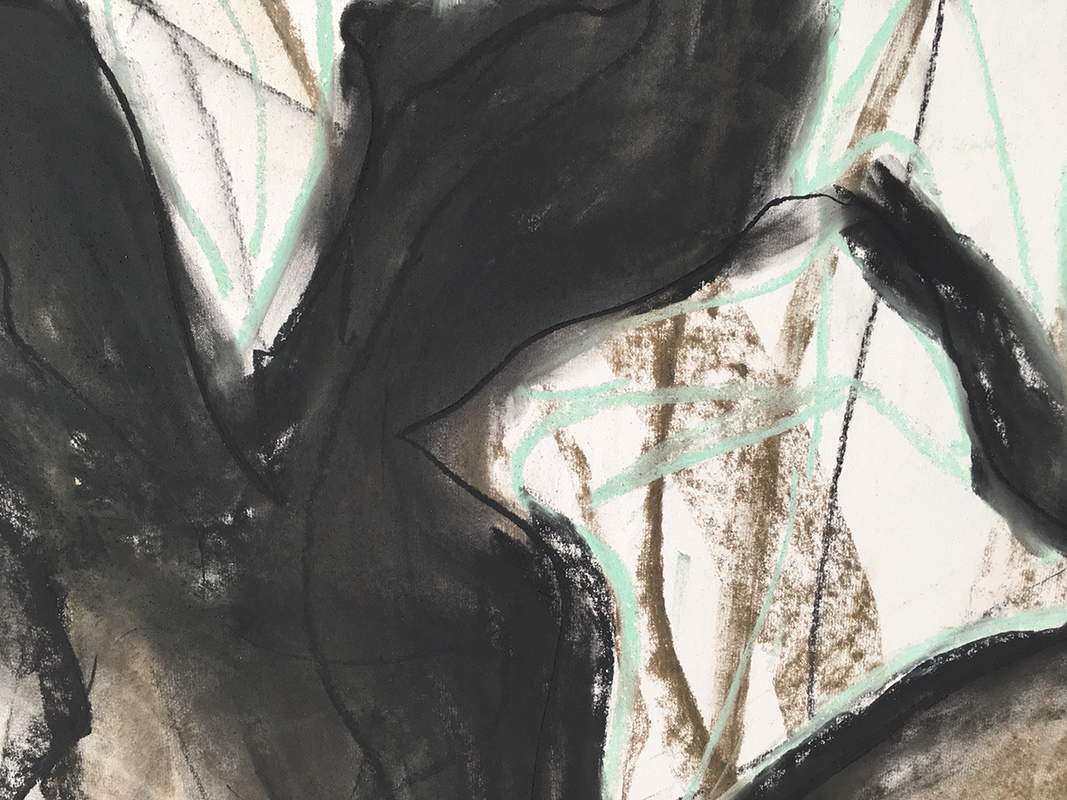
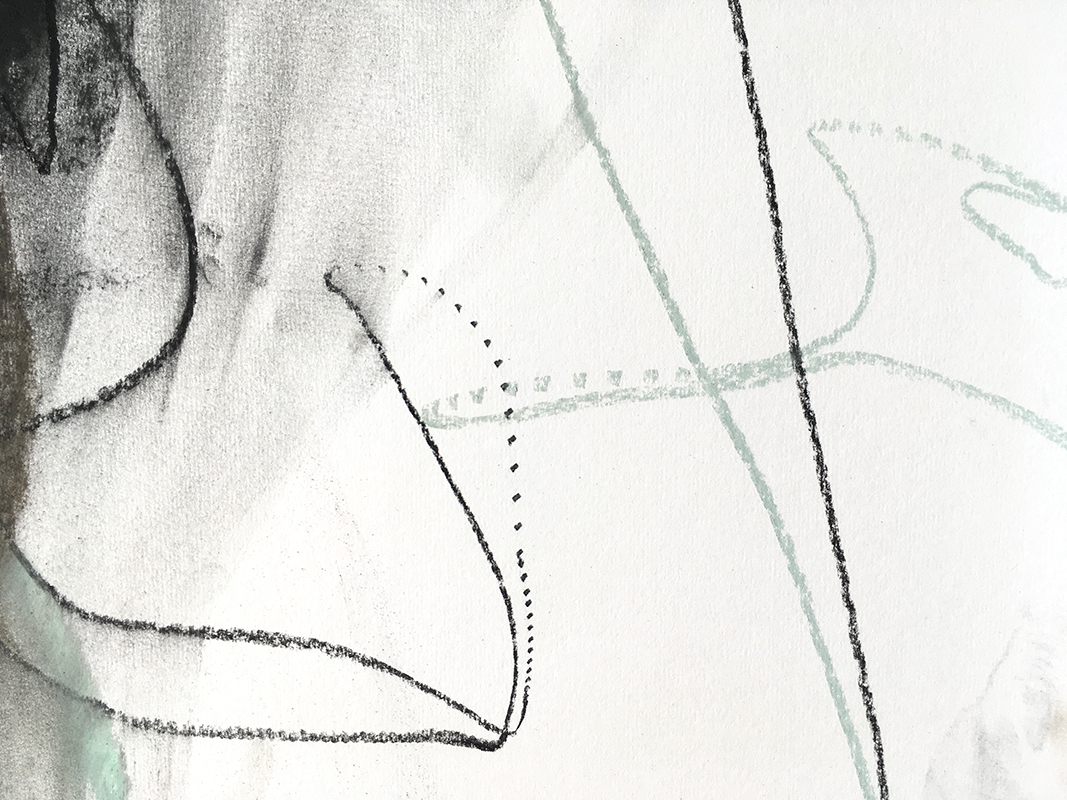
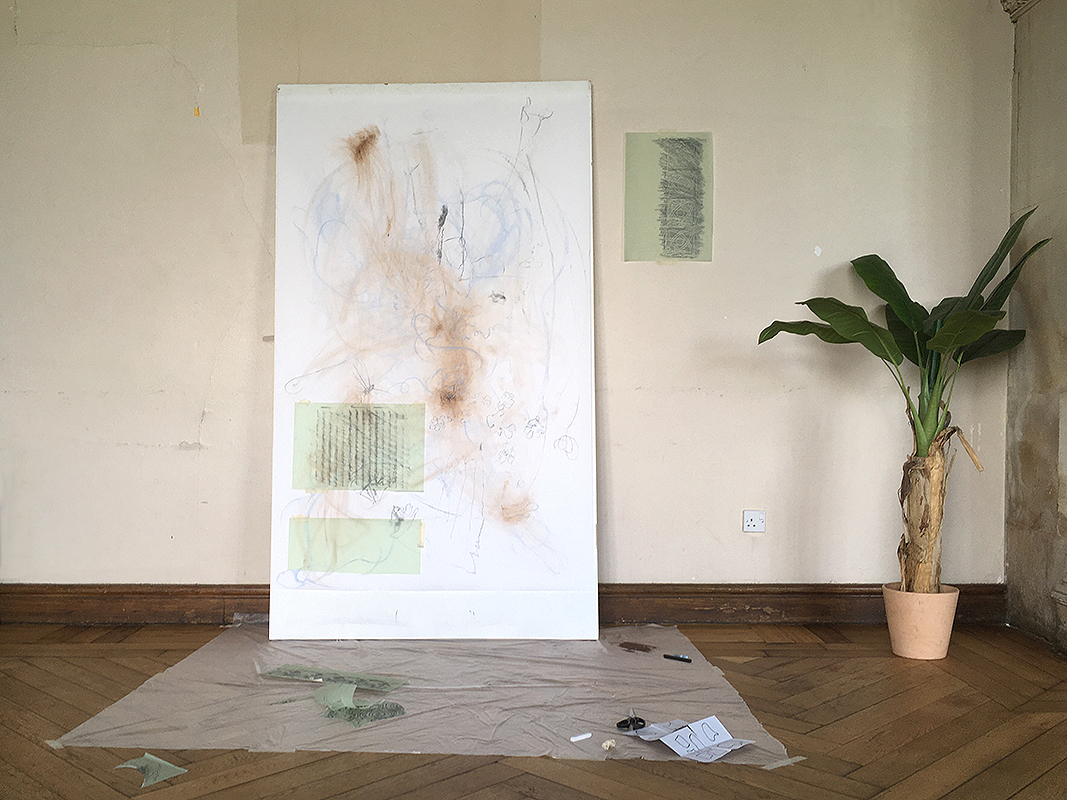
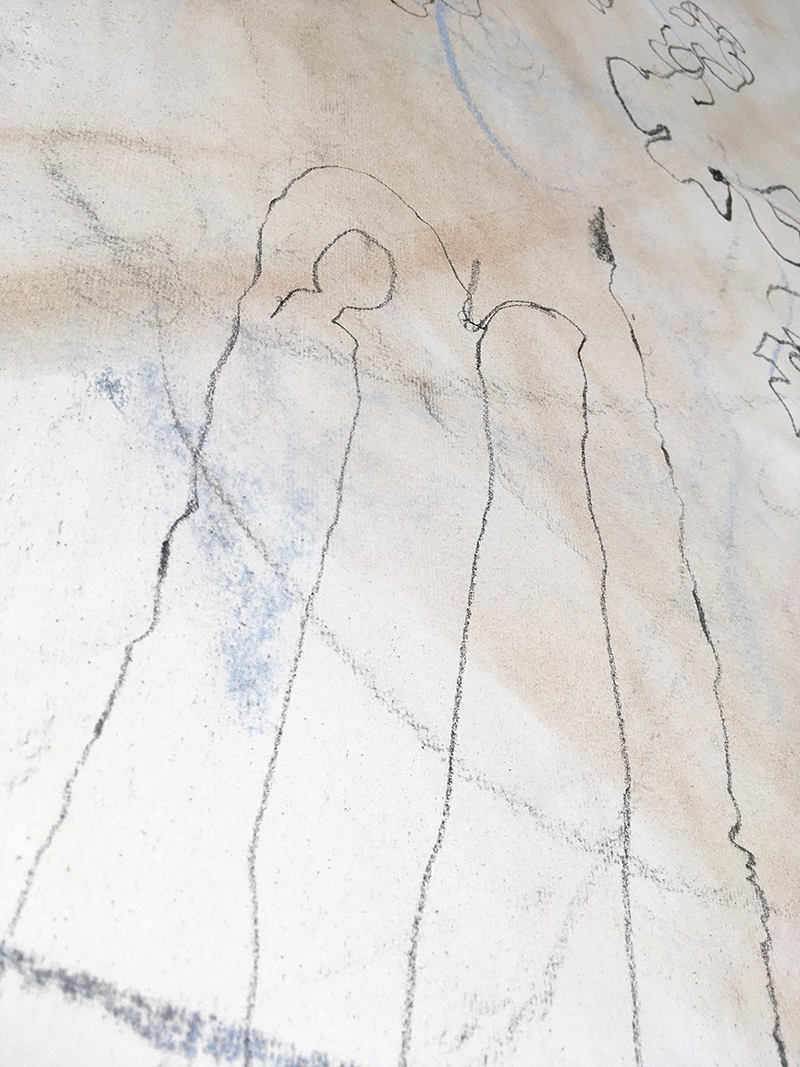
I resided in the music room, exploring how dance improvisation might act as a springboard for large-scale embodied drawing. I entered a conversation between body, place and history, translating my sensory perceptions and emotional responses into experimental drawings. On the final afternoon, I shared my work and discussed my process with a supportive group of friends and fellow artists.
This project page is a documentation of what happened. Please click on the gallery images below to enlarge them. You’ll also find a slideshow and a video.
Moving into making
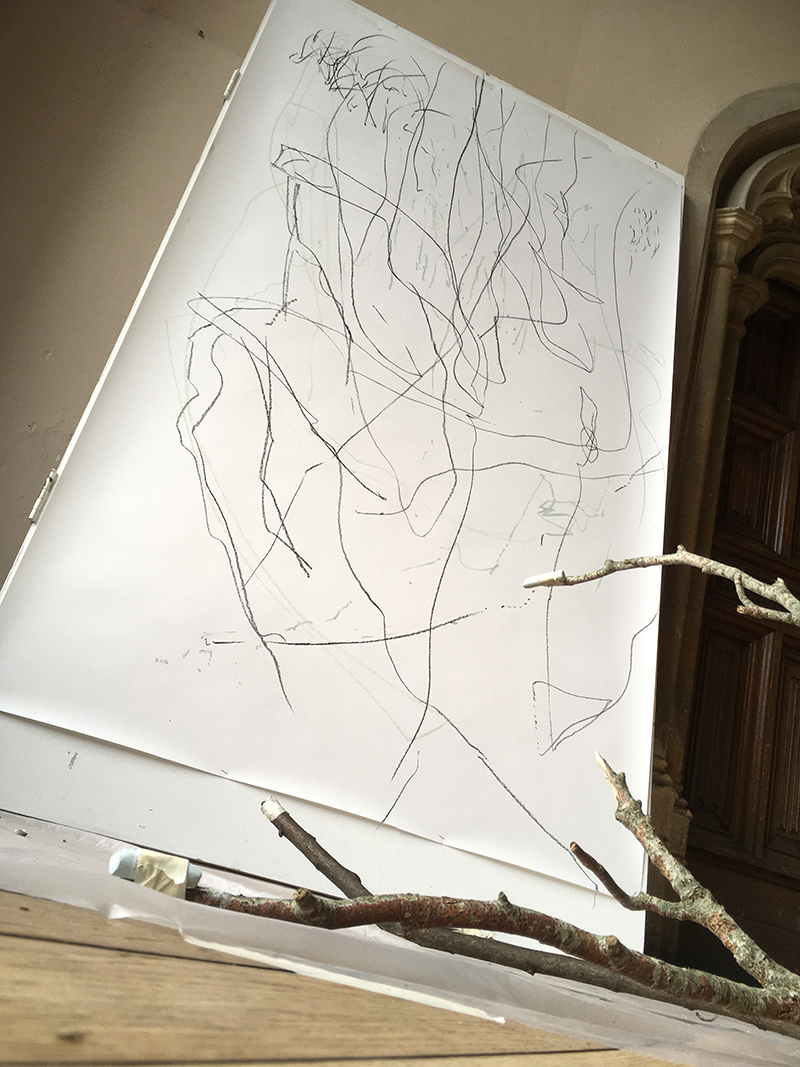
I set up three large boards to work on in parallel, intending to go with the flow, moving from one board to another and back again. This was easier imagined than done, but after an initial phase of doubt and confusion, I settled into the creative process.
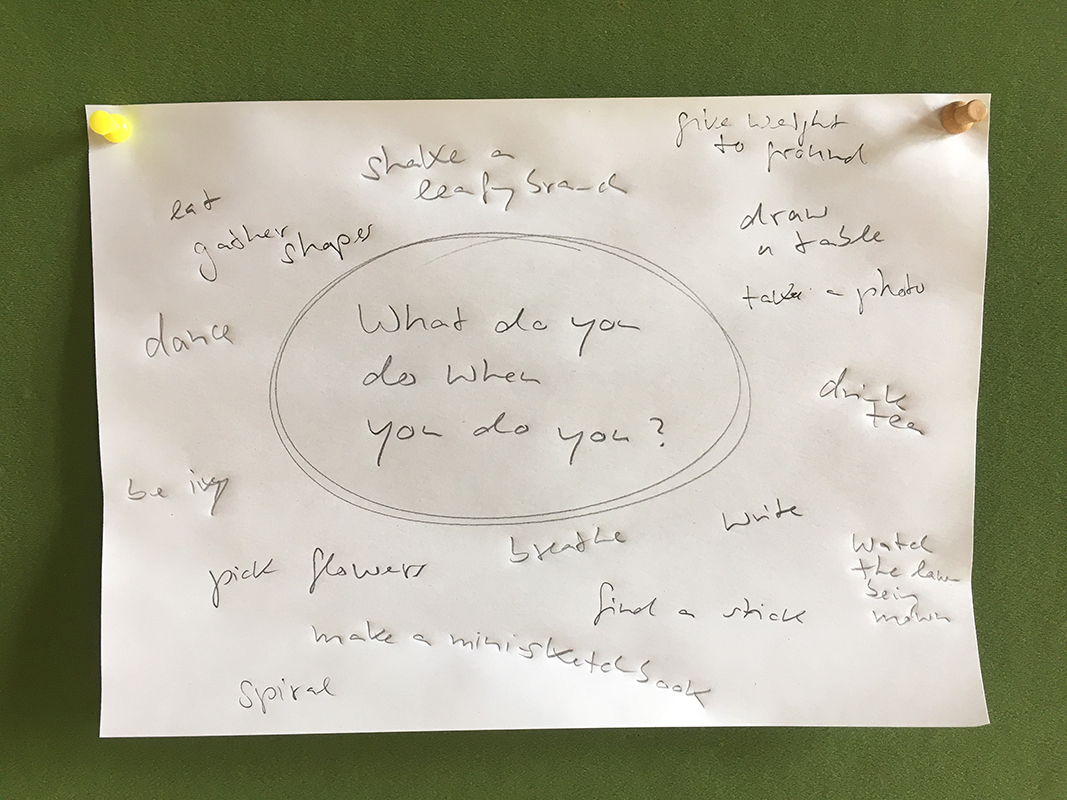
I reminded myself of the phrase ‘What do you do when you do you?’, a question central to Dori Jo’s Hush City residency that I attended in January. I held this question loosely in my mind, and it allowed me to see everything I did in the space as equally important, whether it was productive or not. This notion of equal value allowed me to just be and trust that things would happen.
Each act of making began with a somatic movement meditation, followed by drawing and sometimes writing:
A breath
A yawn
Filling my body with light.
Bright white meets my eyes
As I roll and turn away from
The dark enclosure behind the chair
Into the light.
White chalk.
The breath of the horizon
Expanding on paper.
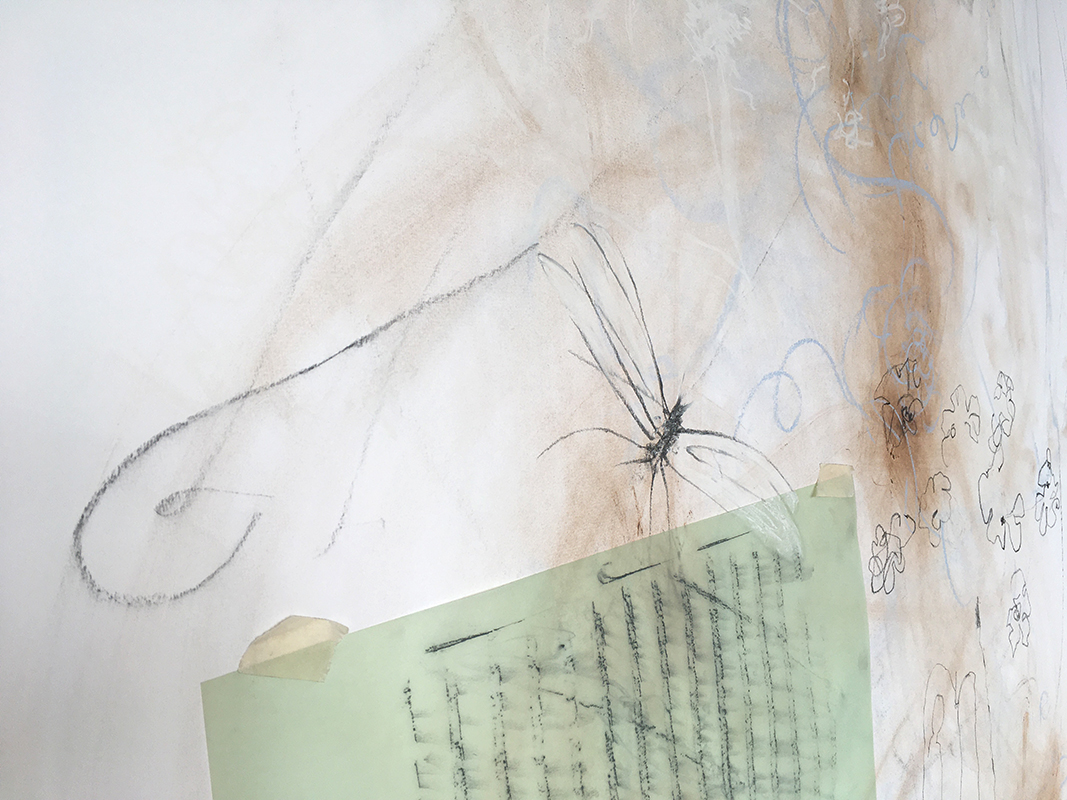
Chalk insects fly.
Itta Howie (2025) notebook
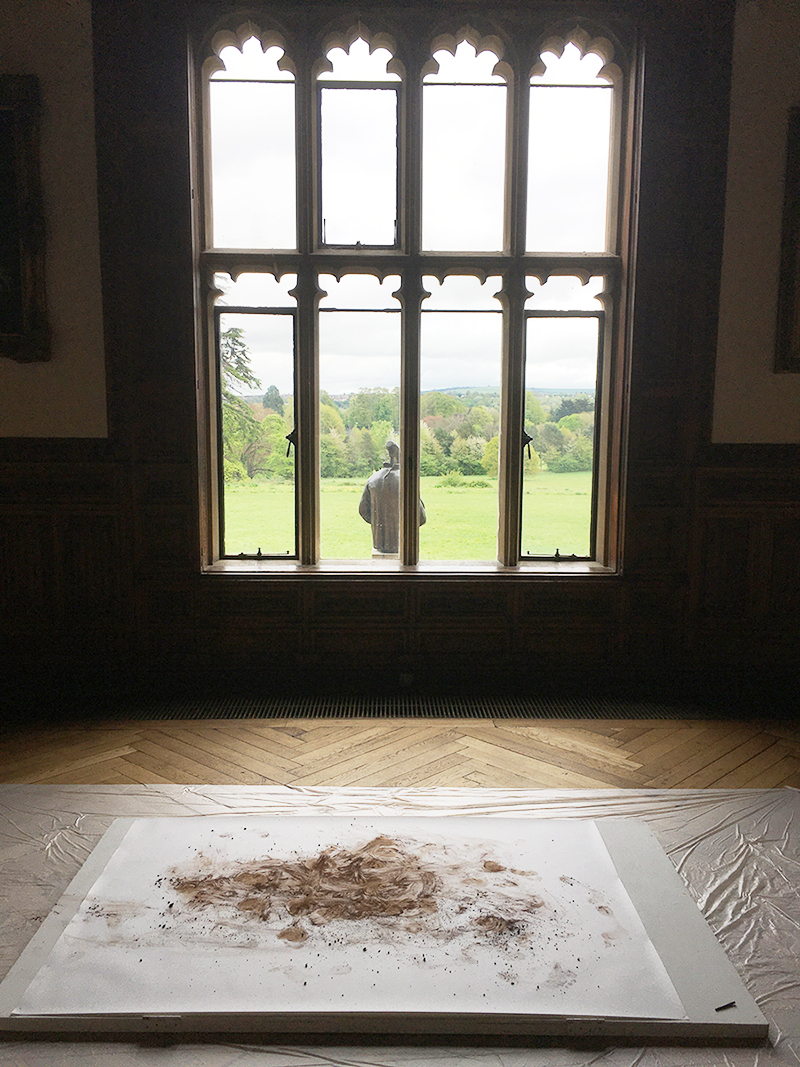
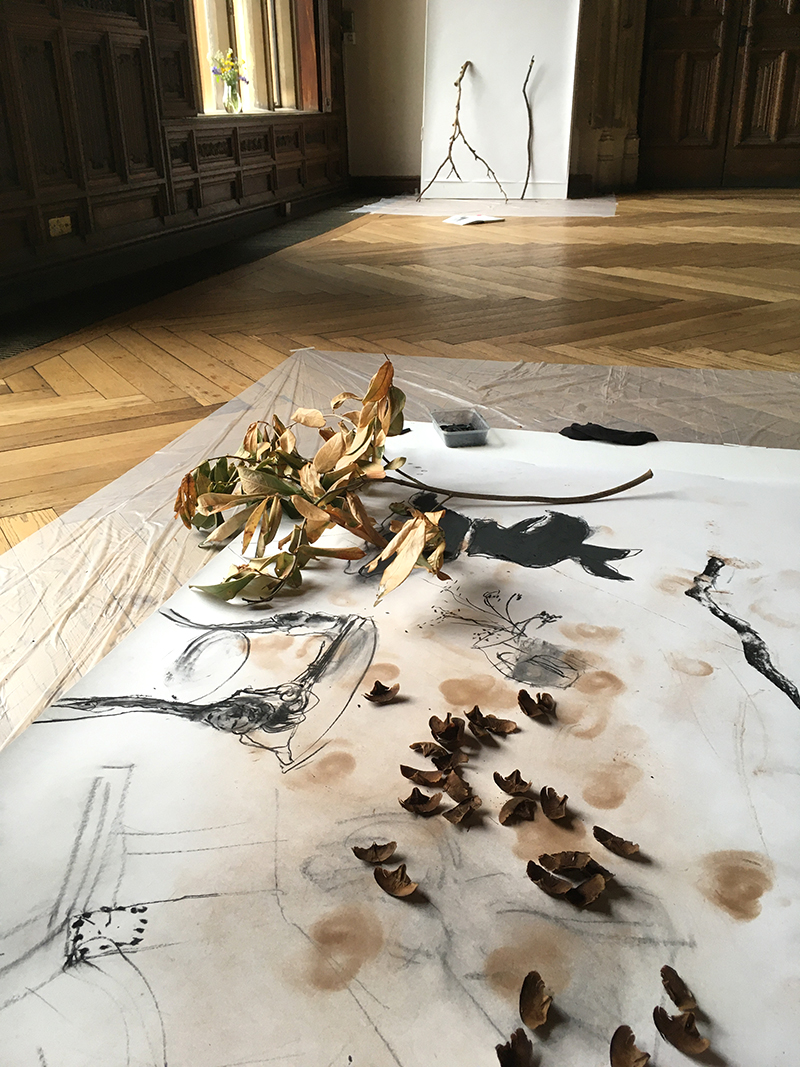
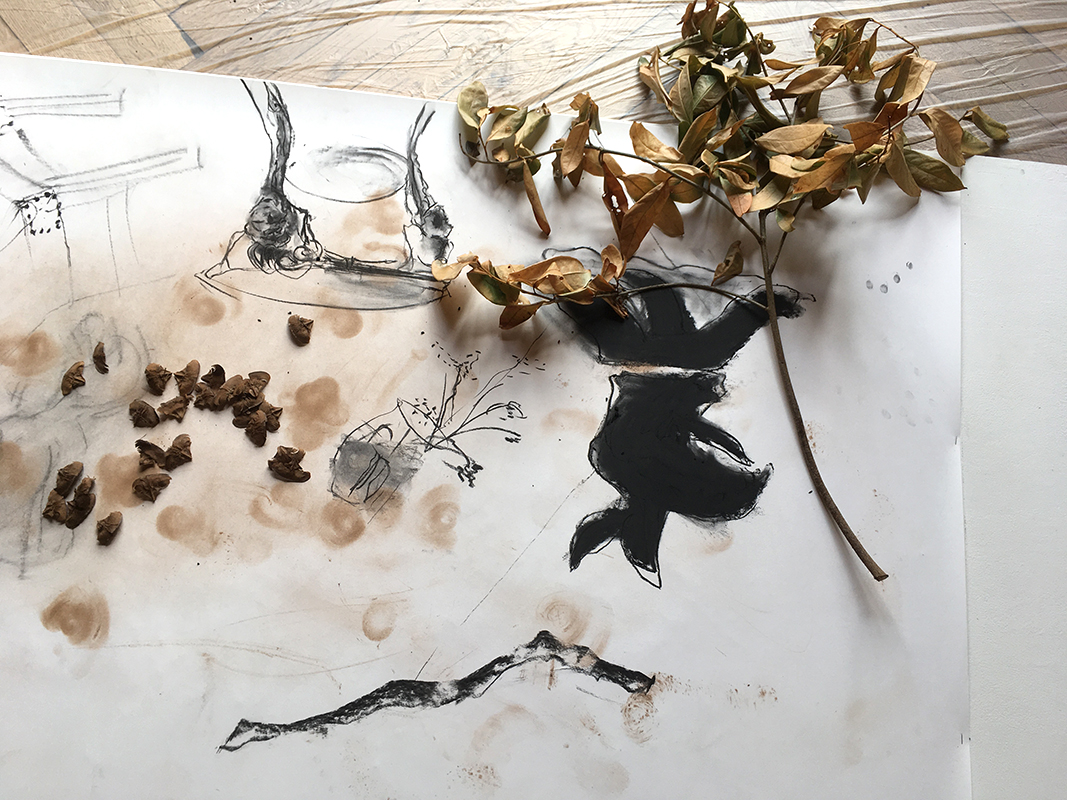
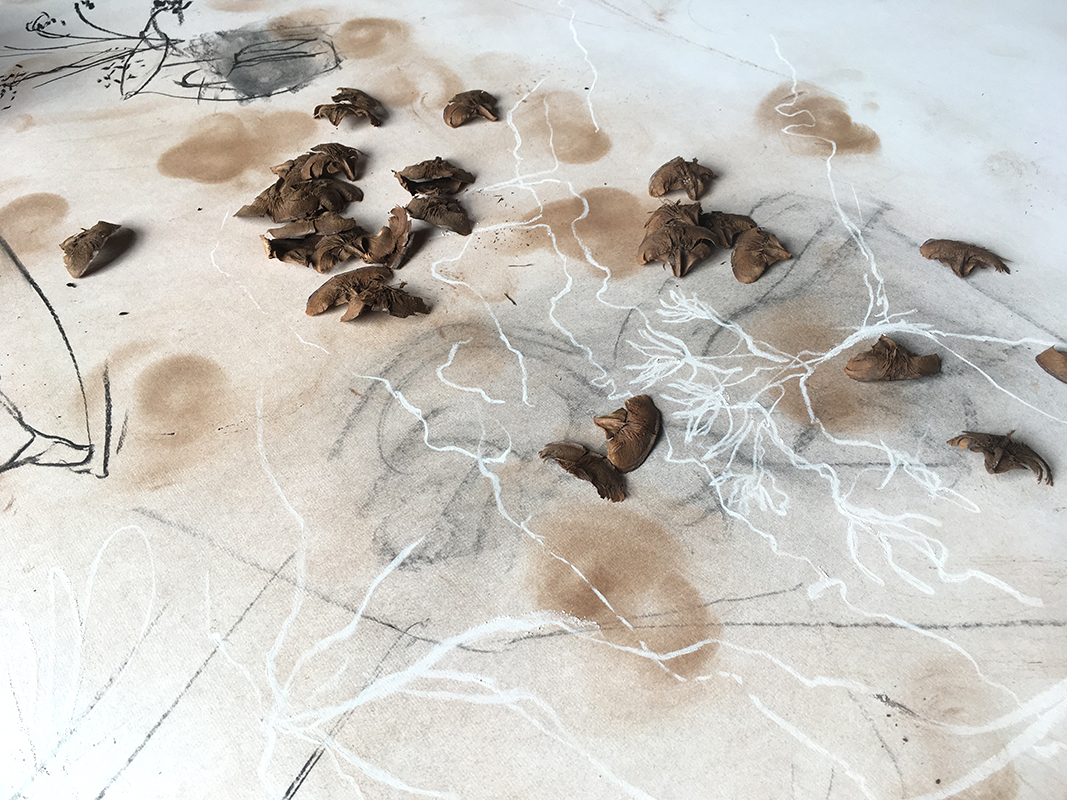
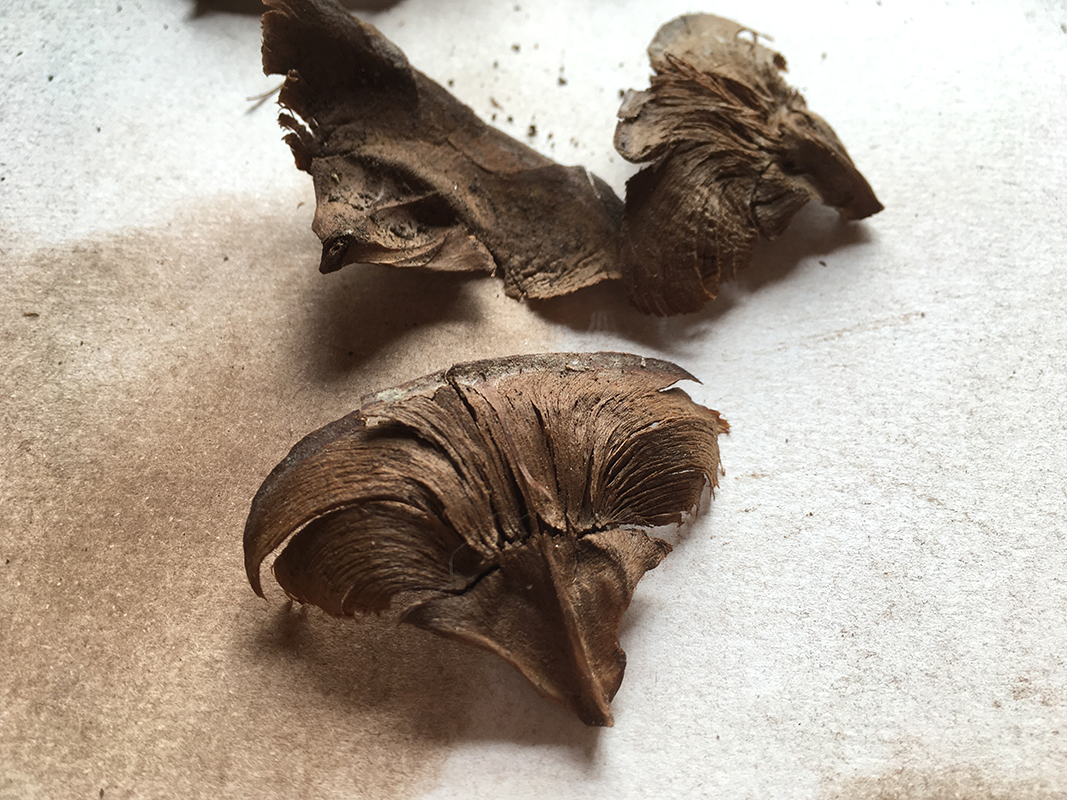
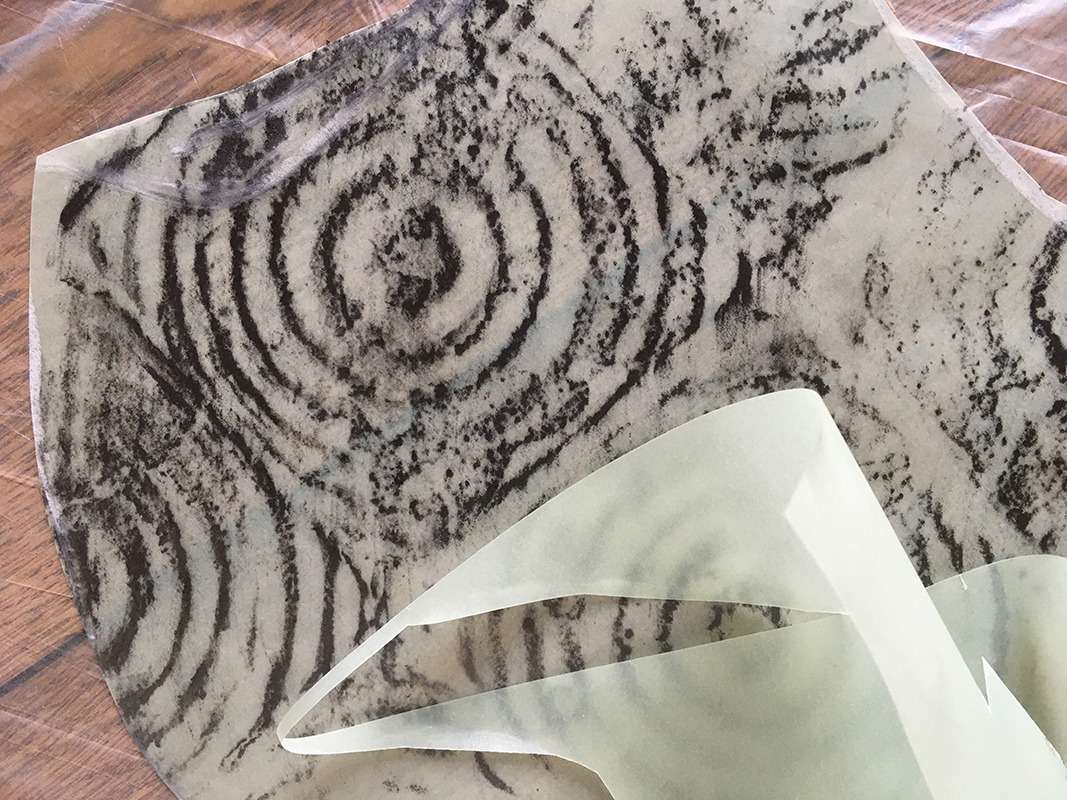
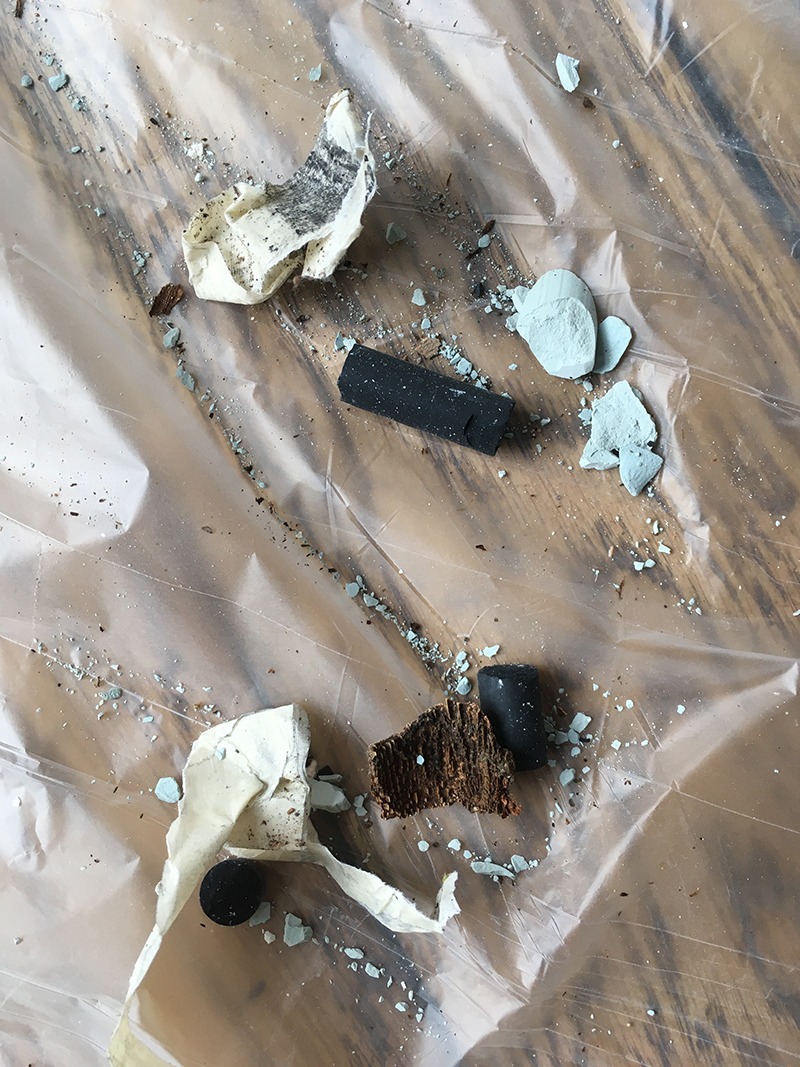
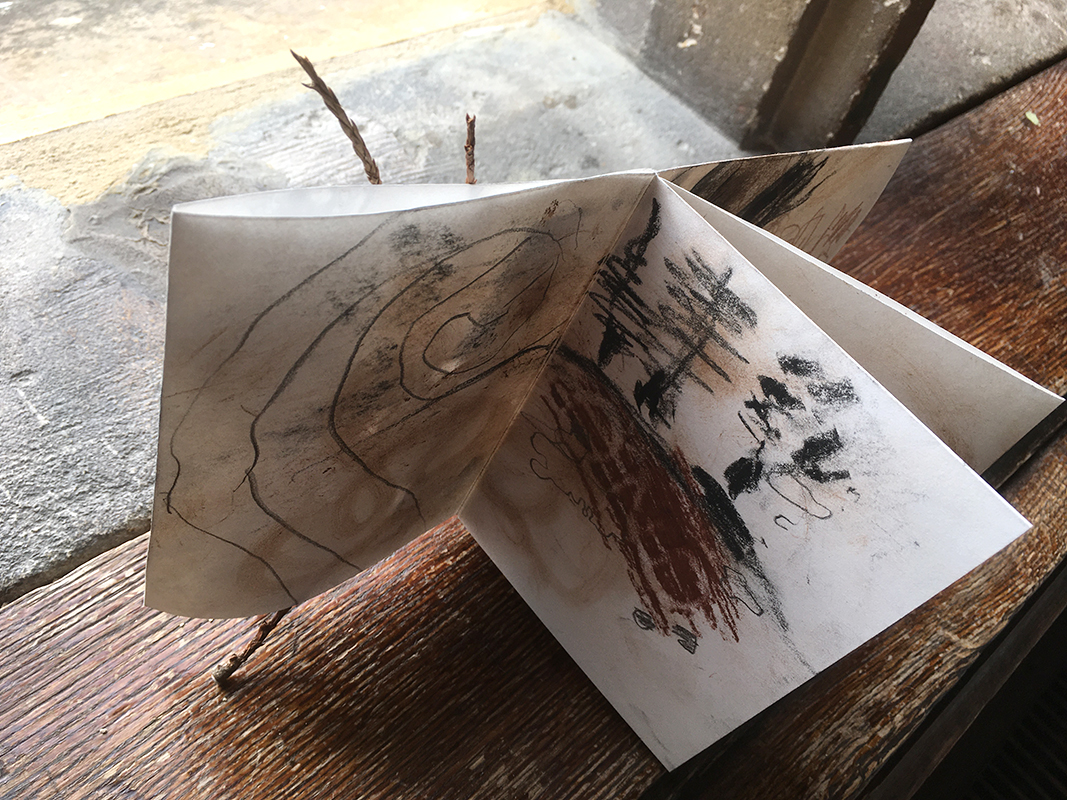
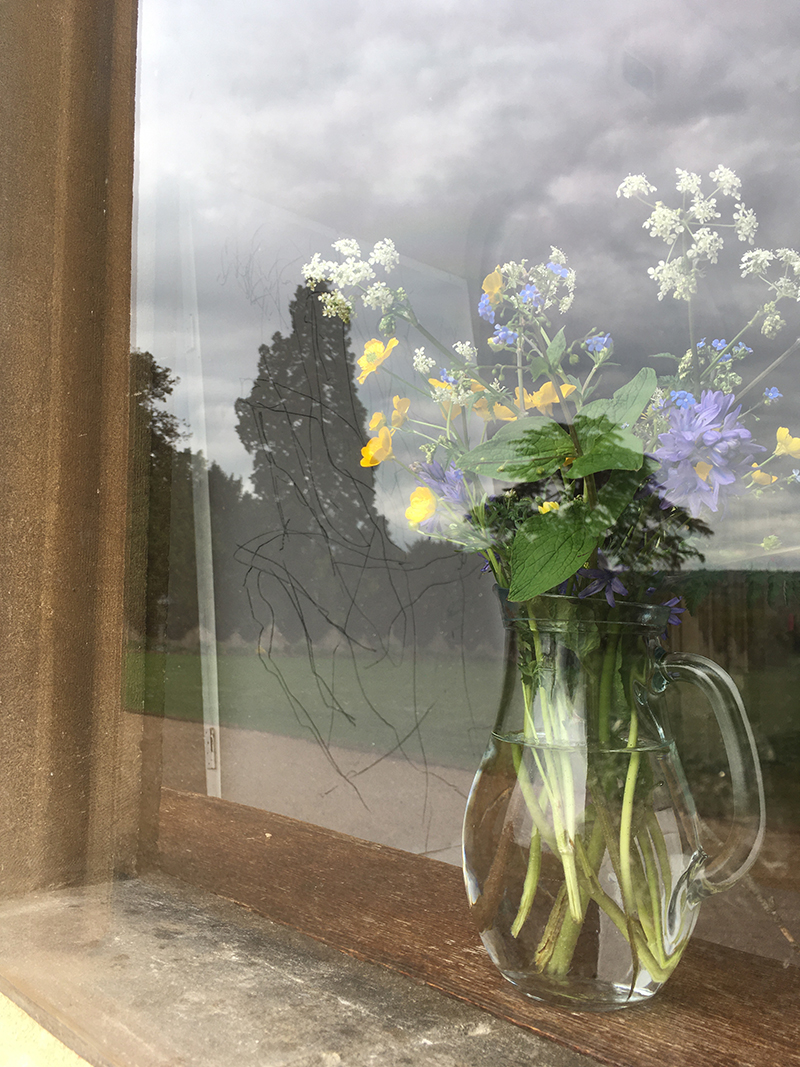
As I was going along, I embraced the idea of the palimpsest – drawing, partially erasing, adding, layering – a process that resonates with the architectural history of the mansion. The view out of the windows over the fields invited me to bring the outside in. I went for walks, sketched outdoors, gathered soil from the molehills to draw with, and collected branches from the woods to let my work grow into the third dimension.
Shared looking
One morning, I invited fellow artist Eeva-Maria Mutka to look together at the work I had created the day before. We used writings from A Widening Field to guide our looking:
When a piece of work feels finished, we need time to look, to meditate on, and to absorb what has been done. (…) Everything we make is in a sense a living world – we explore it as with a new place we arrive in, asking: ‘What is here?’… ‘What is happening?’ As in the process of making, we follow whatever comes up, and what we find will never be entirely what we expect.
Tufnell & Crickmay (2004) A Widening Field, p. 101
This was an incredibly valuable and fun time. Eeva-Maria and I met everything with curiosity in the here and now. The meaning of the many parts of the images changed with each moment; stories emerged and disappeared. Where I had experienced darkness and density the day before, I now saw spacious openings. Random bits that had annoyed me began to dance with lightness. Scattered seeds became Venetian masks became bird skulls…
Moving in response
At times, I moved in response to the artworks and their environment, alone or with a companion. The video below is a 5-minute excerpt of a 10-minute movement improvisation with Eeva-Maria.
Sharing the story
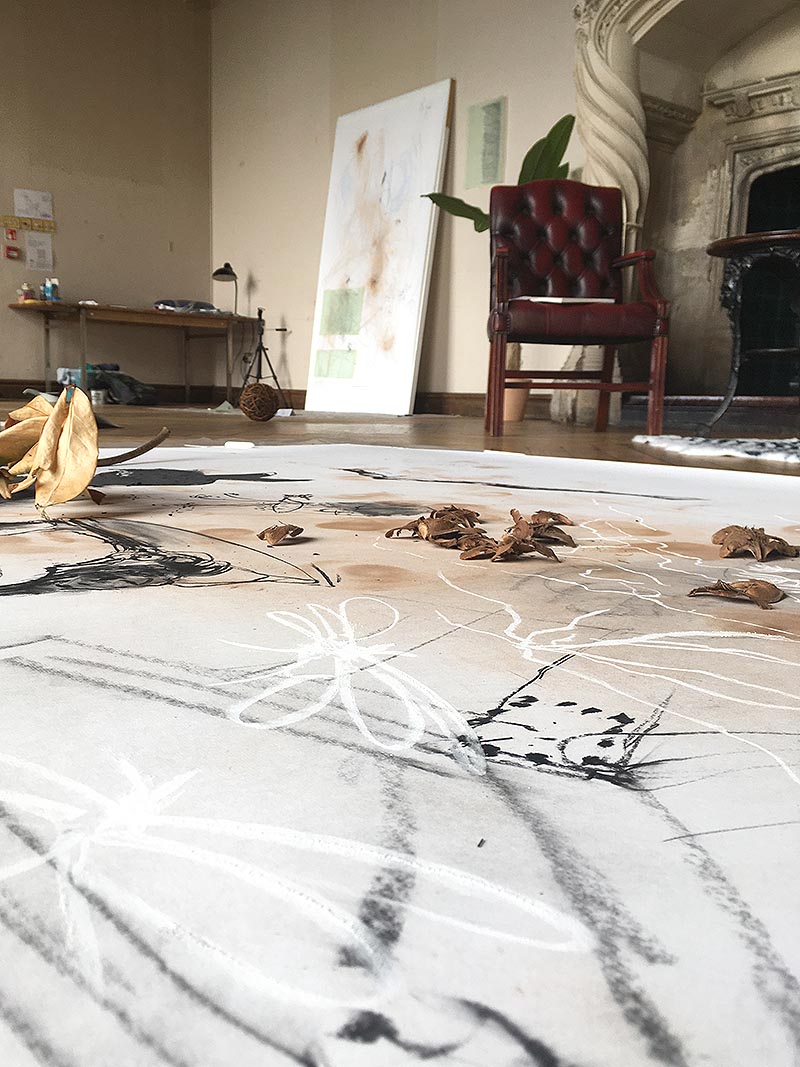
It was unusual for me to invite guests to view an installation rather than a performance. I felt slightly awkward but much enjoyed watching my friends explore the space and my work: looking from different angles, close up, far away, circling around, and crouching down. I had left charcoal, paper cutoffs, soil, etc., exactly where I had used them to emphasize the importance of process and give a sense of an unfinished story. It was an invitation to the viewers to make up their own stories.
Thanks for sharing your work last Friday with us. It was wonderful! A fantastic creative space to walk into, and it felt like the outside/inside was less divided and more integrated through your work. Sometimes it felt like we were walking into a story. At other moments, with the small books on the window sills, it felt like we were looking through them from within.
Mary Steadman, Dust Ensemble, director
The longer my guests spent time in the space, the more they noticed. My artworks inspired a close inspection of the details of the music room, and looking for clues and references became like a game. The three boards were perceived as truly embedded in the room; there was no difference between the iron fireplace, charcoal drawings, old wood carvings in the panels, branches lying on the floor, and paint peeling off the wall – it all became part of the experience of being here in this moment in time.
Further reflections
Taking down the installation became another important part of the process. Mindfully returning soil to the molehills and branches to the woods had a ritualistic feel to it – I was continuing the story.
Though I wasn’t directly referring to the history of Ashton Court and its former residents, certain aspects seemed to seep into me just by spending attentive and creative time in the space. The somatic movement meditations assisted with this, making me listen to what was going on inside me, how it related to the space around me, and vice versa. Inner and outer landscapes merged.
Overall, I feel I’ve gained many insights during this short residency. I found a way of working that suits me, and I really enjoyed working large-scale, something that is relatively new to me. I feel there is lots more to try out, focus on, and get better at. Going forward, I’d like to embark on a longer residency. I’d like to have more time to explore my processes in depth and develop a performance installation, adding movement and sound to the viewing experience. I’m hoping that this project and its documentation will pave the way toward this dream.
Thanks
I’d like to thank the ArtSpaceLifeSpace team for supporting my work in kind by giving me access to this amazing space, offering practical help during the three days, and taking photographs of me moving in response to my work. Another big thank you goes to Eeva-Maria for being such a generous companion, and to my husband, Steve, for helping me set up and keeping me calm throughout the project.